The Pressure to Connect: Tackling Digital Stress and Addiction Project Explored Digital Stress and Healthy Boundaries

Updated: Jul 31

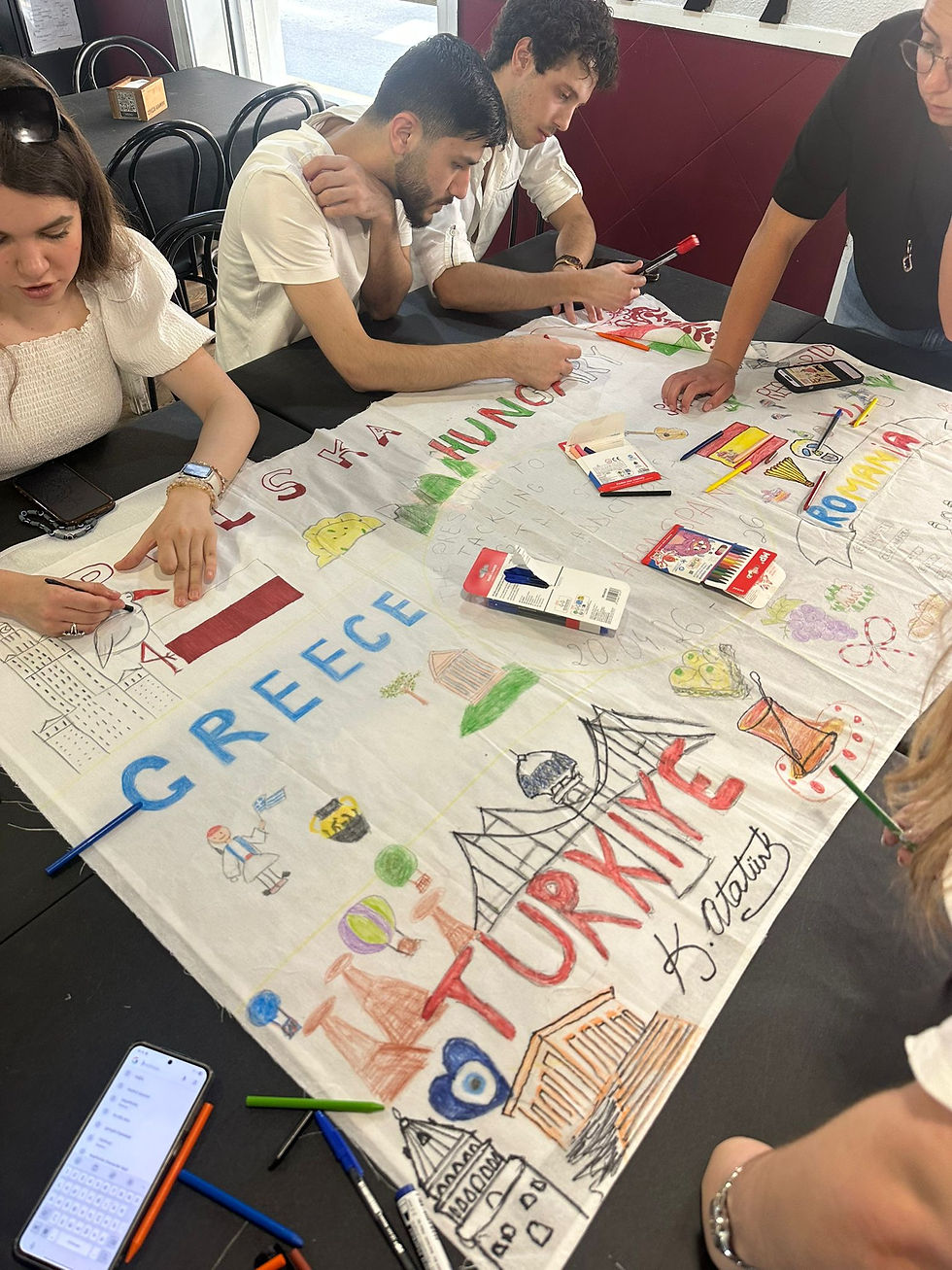
The Erasmus+ project “The Pressure to Connect: Tackling Digital Stress and Addiction” is being implemented in Navarra, Spain, from 20 to 27 April 2026 under the coordination of Asociación Tecnología Ética. Carried out within the framework of KA153 – Mobility of Youth Workers and under the reference number 2025-3-ES02-KA153-YOU-000369026, the project brings together partner organisations from Greece, Hungary, Poland, Romania, Türkiye. The project aims to equip youth workers with innovative tools and methodologies to address digital stress and technology addiction while promoting digital well-being among young people.
The session “Decoding Digital Distress,” coordinated by Romania, focused on understanding the psychological mechanisms behind digital stress and excessive technology use. Participants explored concepts such as dopamine loops, fear of missing out (FOMO), information overload, and endless scrolling, examining how digital platforms influence behaviour and emotional well-being. Discussions also highlighted the effects of social comparison and online pressure on young people’s self-esteem and mental health, providing youth workers with a deeper understanding of the challenges faced by the younger generation in digital environments.
The activity “Decoding Digital Distress 2,” coordinated by Türkiye, transformed theoretical knowledge into practical learning experiences. Through case studies and group discussions, participants analyzed realistic situations involving young people experiencing digital stress and explored effective support strategies. Particular attention was given to empathetic communication techniques and youth-centred approaches that can help young people develop healthier relationships with technology. The activity strengthened participants’ ability to respond to digital well-being challenges in their daily youth work practice.
The Hungarian-led workshop “Architects of Digital Space: Building Personal Boundaries” encouraged participants to reflect on the importance of creating healthy digital habits and setting personal boundaries in online environments. Youth workers designed practical strategies related to screen time, communication habits, and technology use that can contribute to a more balanced digital lifestyle. In addition, the Spanish-led activity “Message in Motion: Creating Visuals for Dissemination” focused on transforming the project’s key messages into creative dissemination materials. Participants developed visual content and awareness-raising materials aimed at promoting responsible technology use and digital well-being within their local communities.
As a result of the day’s activities, participants enhanced their understanding of the causes and consequences of digital stress, improved their ability to support young people facing digital challenges, and developed practical tools for promoting healthier technology use. The evaluation session at the end of the day provided an opportunity to reflect on the learning outcomes and personal development achieved throughout the activities, while strengthening cooperation and knowledge exchange among participants from different countries.