The Pressure to Connect: Tackling Digital Stress and Addiction Project Fostered a Deeper Understanding of the Digital World

Updated: Jul 31

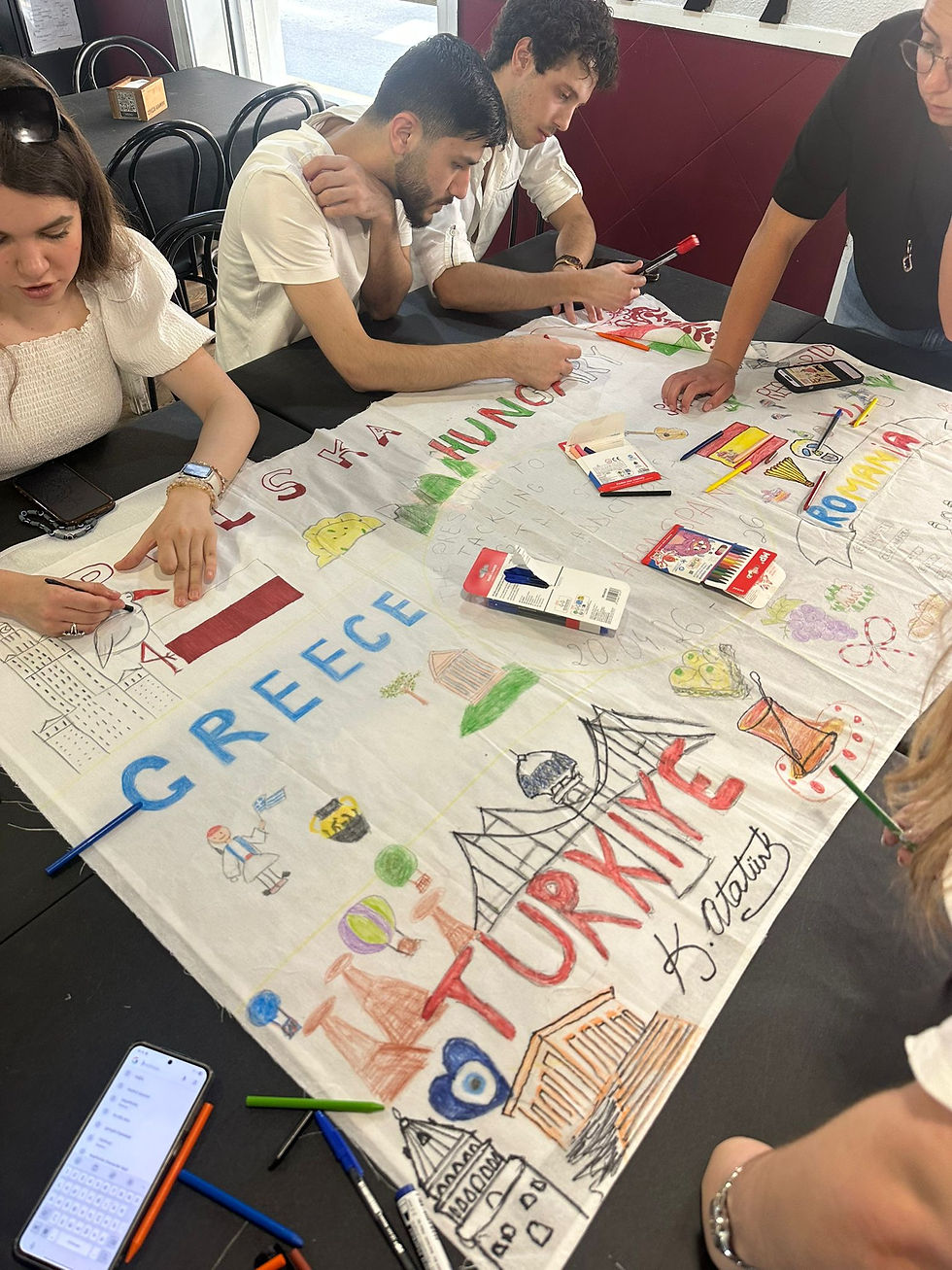
The Erasmus+ project “The Pressure to Connect: Tackling Digital Stress and Addiction” is being implemented in Navarra, Spain, from 20 to 27 April 2026 under the coordination of Asociación Tecnología Ética. Carried out within the framework of KA153 – Mobility of Youth Workers and under the reference number 2025-3-ES02-KA153-YOU-000369026, the project brings together partner organisations from across Europe, including Greece, Hungary, Poland, Romania,Türkiye. The project aims to strengthen youth workers’ competencies in addressing digital stress, technology addiction, and digital citizenship while promoting healthier digital habits among young people.
The session “The Science of the Scroll: Understanding the Digital Machine,” coordinated by Hungary, focused on exploring how social media platforms are designed to capture and retain users’ attention. Participants examined the neurological and psychological mechanisms behind digital engagement, including the role of dopamine-driven reward systems and the impact of constant notifications. Discussions also addressed social comparison and the influence of curated online realities on young people’s self-esteem and identity development. Through this activity, youth workers gained a deeper understanding of the factors that contribute to excessive technology use and digital dependency.
The Greek-led activity “Facilitating the Digital Footprint” encouraged participants to reflect on their own digital behaviours and analyze methods that can be used with young people to promote digital awareness. By examining screen-time data and discussing digital habits, participants explored how technology use aligns with personal values and well-being. Working in teams, they developed practical workshop plans and facilitation guidelines that can be adapted to different youth groups. The activity strengthened their ability to create safe spaces for reflection and to support young people in developing healthier digital practices.
During the seminar “The Youth Worker as Digital Rights Advocate,” coordinated by Poland, participants explored key topics related to digital citizenship and digital rights, including data privacy, freedom of expression online, the right to be forgotten, and the right to disconnect. Through international group work, youth workers designed educational modules aimed at helping young people better understand their rights in digital environments. The session enhanced participants’ capacity to translate complex legal and social concepts into engaging non-formal learning activities. In addition, the Spanish-led activity “Ethical Crossroads: Guiding Youth Through Tech Dilemmas” encouraged participants to debate ethical challenges related to artificial intelligence, privacy, online safety, and emerging technologies, further strengthening their critical thinking and facilitation skills.
As a result of the day’s activities, participants developed a stronger understanding of the psychological, social, and ethical dimensions of digital technologies. They improved their ability to facilitate discussions on digital well-being, advocate for young people’s digital rights, and design educational activities that encourage critical engagement with technology. The daily evaluation session and cultural evening further enriched the learning experience by promoting reflection, intercultural dialogue, mutual understanding, and stronger cooperation among participants from different countries.